
How dilution actually works

The explainer on dilution you were too embarrassed to ask for
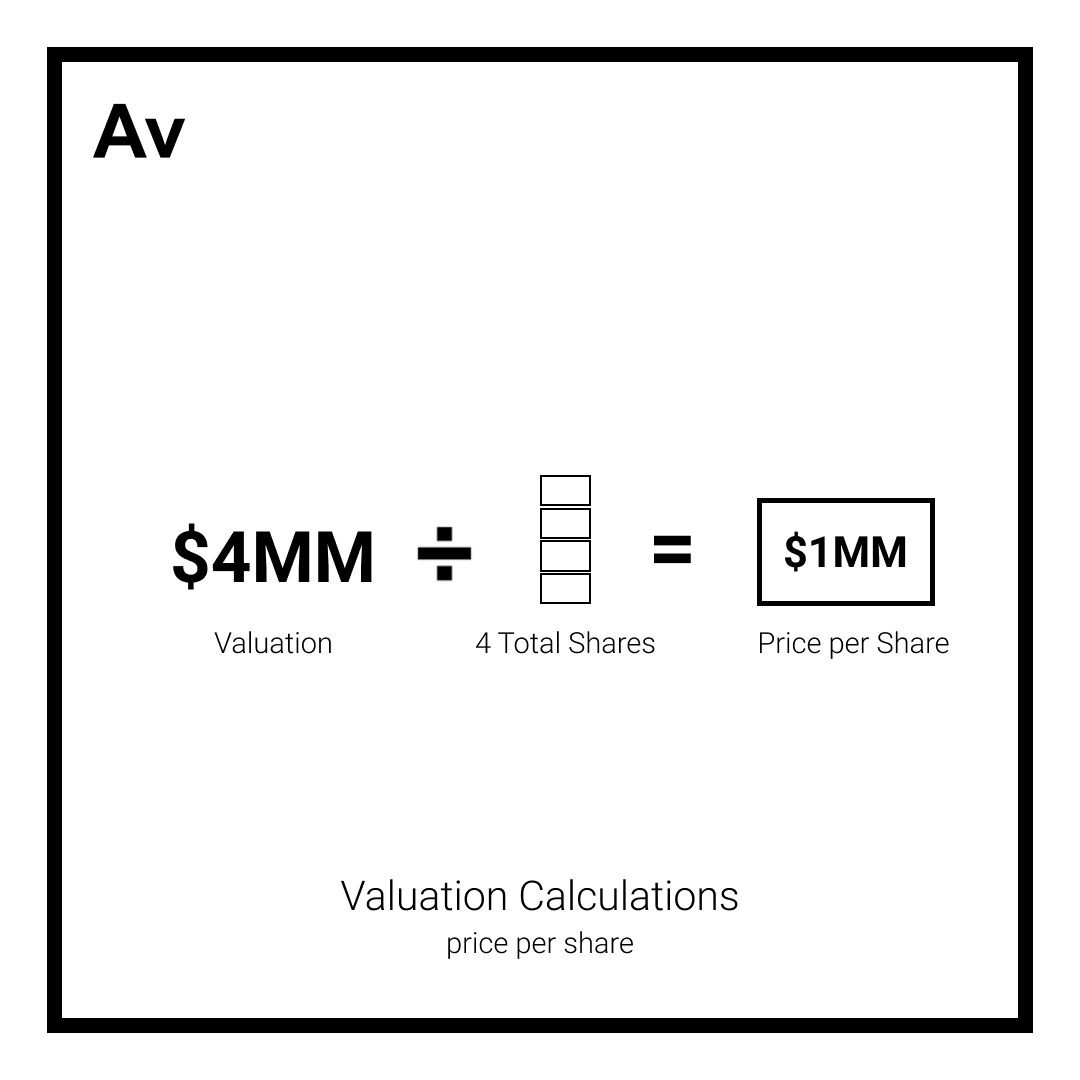
A friend of mine who has tons of experience as a successful entrepreneur and angel investor texted me the other day asking for help with a deal he was pulling together. He was leading the seed round of a company with his syndicate and wanted to create a post-raise, pro-forma cap table.
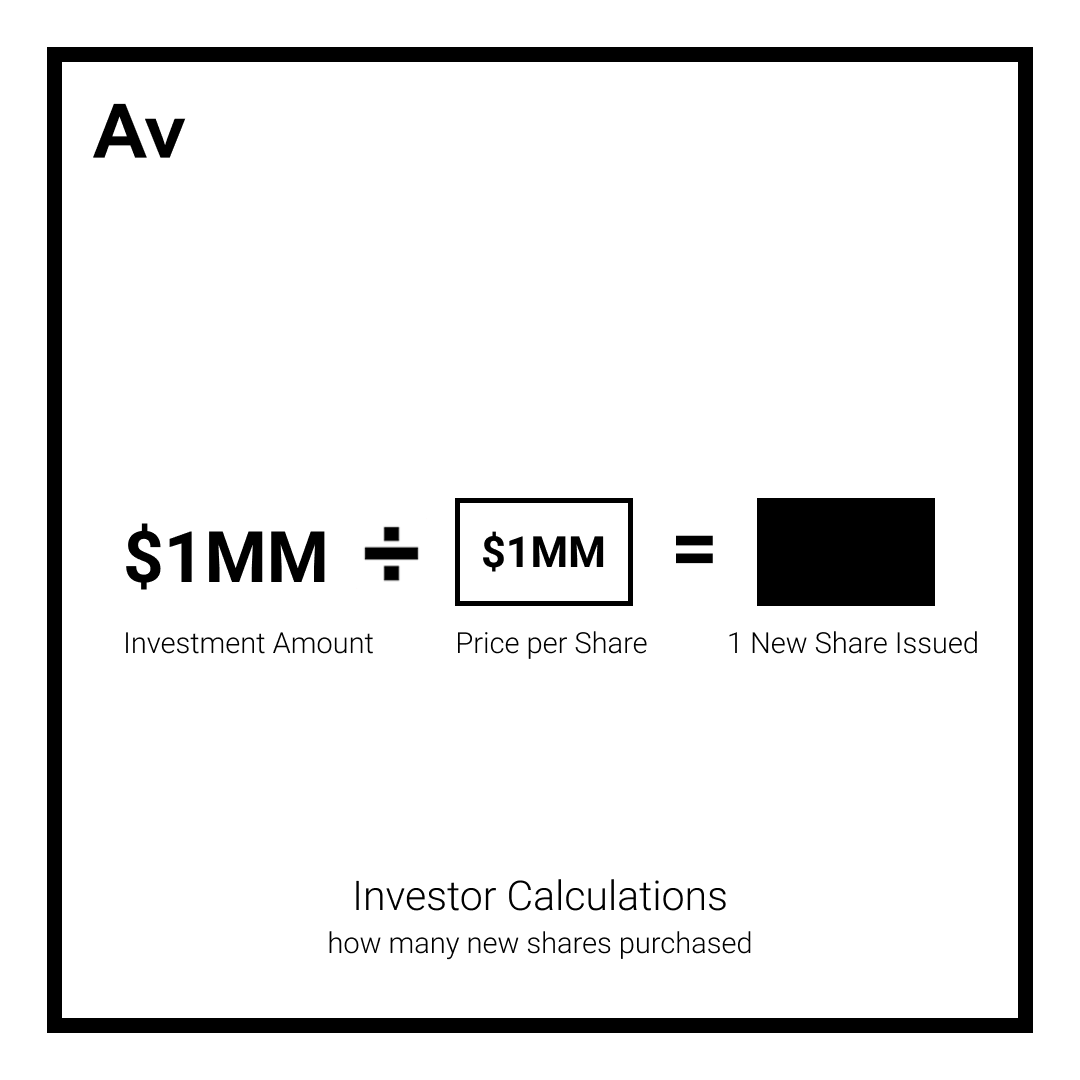
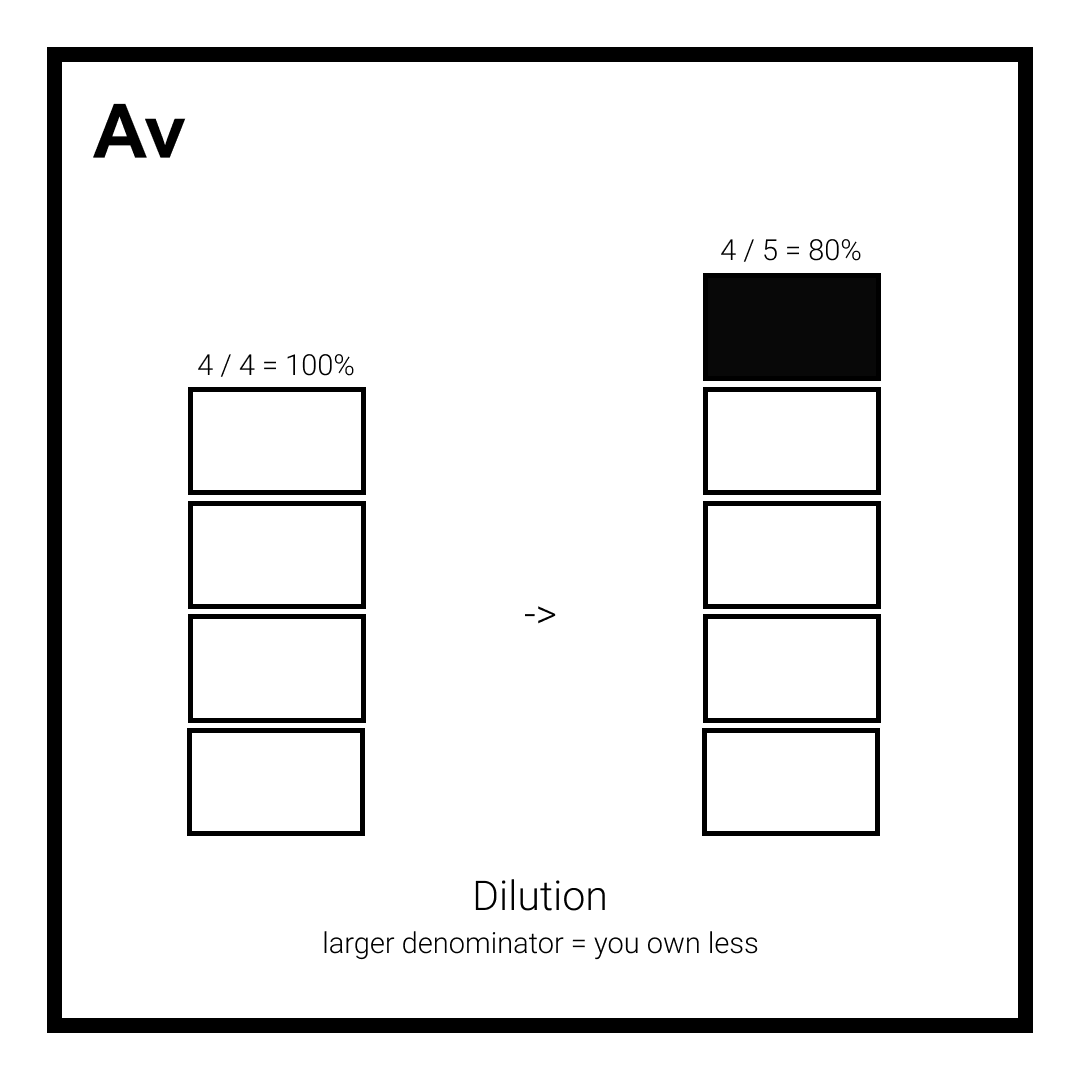
After a few ambiguous texts, I finally got to the actual problem he needed help with - he didn’t quite know how dilution in startups works.
He was sheepish but I was not surprised. I’ve had to explain the mechanics of dilution numerous times to people who are incredibly sophisticated in other fields. There’s no shame in misunderstanding this tiny detail of venture math - it is glazed over all the time by entrepreneurs because directional understanding (basic arithmetic) is fairly universal.
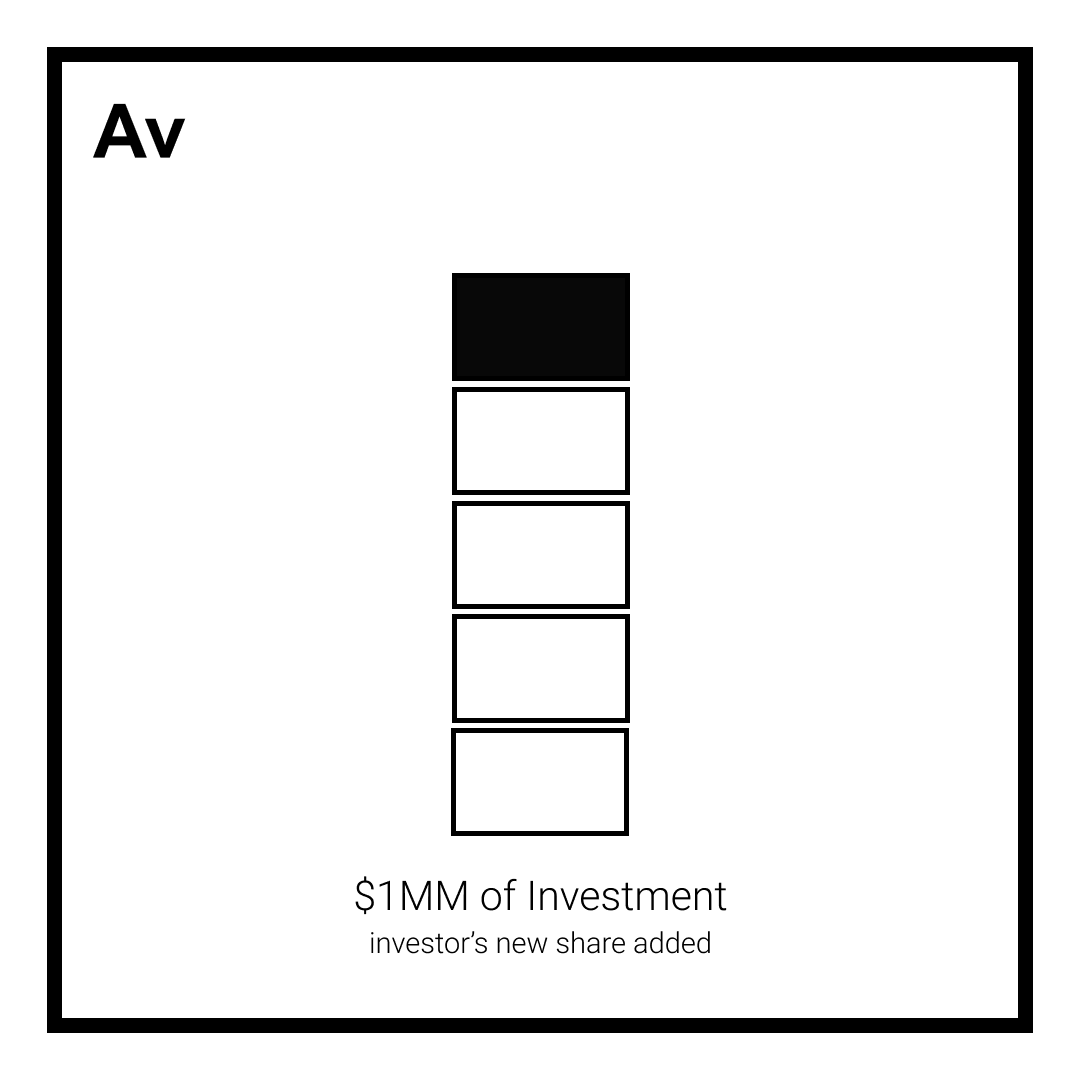
The subtlety of which shares are purchased during an investment is not always explained, which is where the confusion lies. In today’s intro, I want to clarify the mechanics once and for all, especially because I bet a bunch of you have been pretending that you fully understand this for a while now :)
Enjoy🙏

Do you like my idea? (no, but that’s not the real problem)
I talked to a founder who pitched me an idea I didn’t immediately love. I thought the space was interesting, but the idea was meh. That wasn’t the biggest issue though. The issue came as I probed further, the way most investors would.
It’s worth noting that most investors WANT to like a company. They ask questions to understand more about the problem space, the company, and the founder. Through this discovery process, there is ample opportunity to impress an investor, especially if there’s interest in the overall space.
In this particular case, the responses to my inquiries didn’t move me past my initial indifference; they didn’t get me excited. The first-time founder described their own beliefs around where there was a need and outlined a plan to build technology to begin addressing that need. Nowhere was I given reasons to believe the need was validated or that this founder would run an agile company that would find the right solution if that need actually existed.
The takeaway from this fieldnote is that ideas are important, but they don’t convince great investors on their own. Demonstrating your sophistication as a founder, first-time or otherwise, is huge. In this particular case, showing any effort to validate a hypothesis and demonstrate work with an MVP would have gone a long way.
Till next week. Stay adamant and be chased.
Jason


