
If you want to fundraise, go live in a van 🚐

Over the holidays, I unplugged more fully than I have in a long time.
A close friend owns a Sprinter camper van. I flew up to Northern California, picked it up, and spent five days driving around with no real agenda beyond exploring, walking, writing, and being quiet.
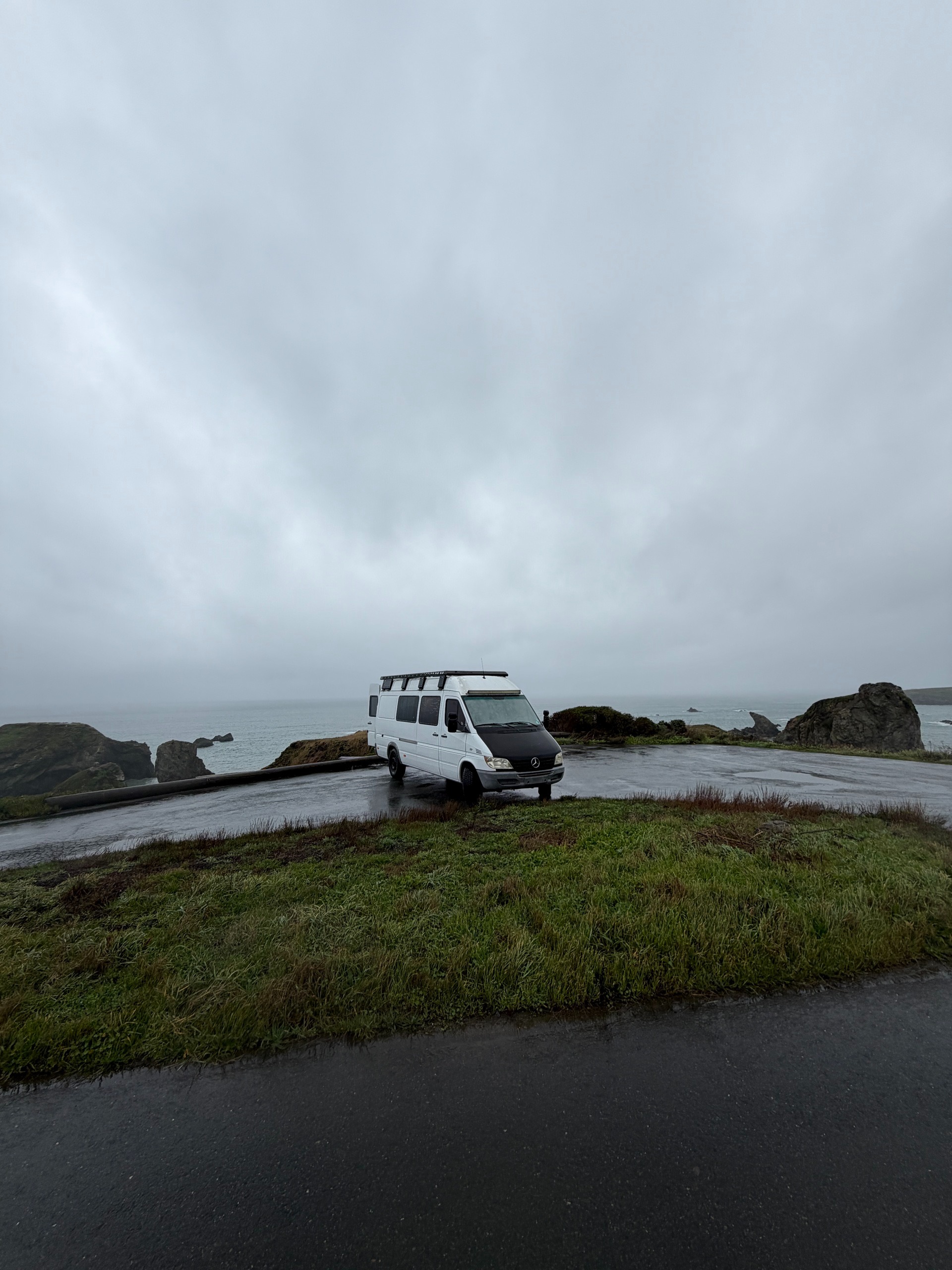
No inbox. No meetings…and none of the constant noise from competing responsibilities i usually have in my head.
Just a van, a notebook, and time.
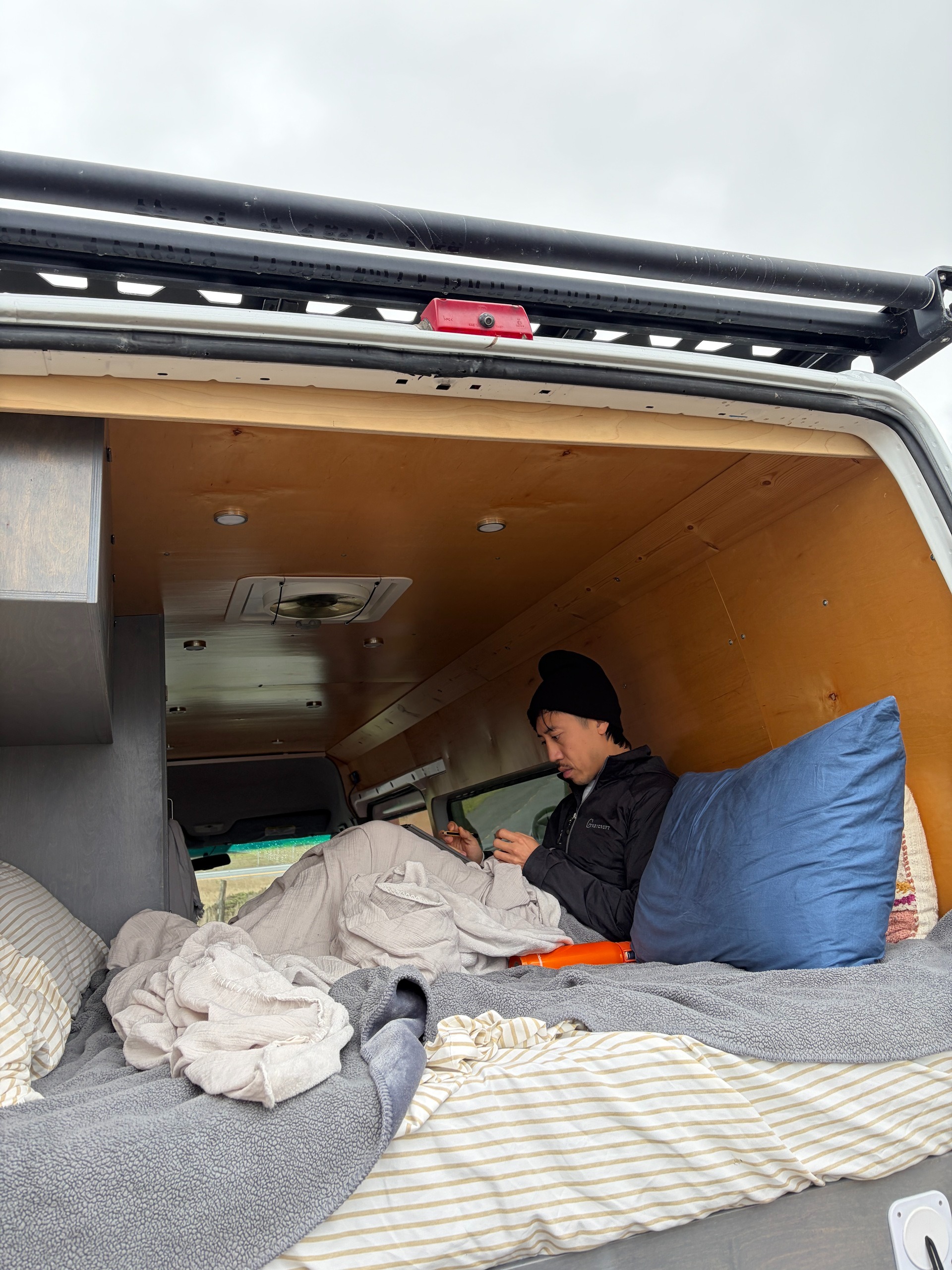
Somewhere between making coffee on a tiny stove and parking at trailheads I hadn’t planned to visit, a funny thought kept resurfacing:
If you really want to raise capital, go live in a van. -Jason Yeh
It sounds extreme at first. Like I’m advocating for austerity, isolation, or some performative founder suffering.
That’s not what I mean.
What living in a van gave me wasn’t deprivation. It was forced focus.
And when i reallllllly think about all the issues founders come to me with when they’re getting ready to fundraise, THAT turns out to be exactly what you can boil most of their issues down to. Let me explain…
Forced Focus Is the Real Constraint
When you live in a van, your life narrows quickly.
When I was packing for the trip, I knew I couldn’t bring everything. I couldn’t keep infinite options open and decide later what matters. I was forced to choose, which made the rest…poof … disappear.
Narrowing removes the illusion that everything deserves attention.
I didn’t wake up each morning wondering where I should work, what I might be in the mood to do, or which project deserved priority. There were only a few viable options, and they were obvious.
I’d make coffee. I’d eat something simple. I’d write.
Fundraising asks for the same narrowing, but most founders never fully step into it. They keep all options alive and then wonder why nothing moves forward cleanly.
As you get ready to fundraise, this is the moment to decide what you’re willing to temporarily stop caring about.
Schedule a real planning conversation with your co-founder or leadership team. Decide what actually matters over the next sixty to ninety days. Name what will slow down, pause, or move to someone else. If fundraising is the main thing, make it the main thing in practice, not just in intention.
Remove Friction Before You Add Effort
What surprised me most about the van wasn’t how little I had, but how easy it felt to do the work I wanted to do.
Not because it was fun. Because there was nothing else competing with it.
There were no more attractive distractions waiting. No ambient sense that I should be doing something else instead. The friction between knowing what mattered and actually doing it was gone.
That matters because fundraising work is RARELY pleasant in the moment. Writing a clear narrative, tightening a deck, deciding who you are not raising from, following up for the third time… none of that feels good while you’re doing it.
Distraction doesn’t just slow this work down. It gives you a way to avoid it while telling yourself you’re still being productive.
If you want to make fundraising easier, don’t start by trying to be more disciplined. Start by making it harder to avoid.
Put a recurring block on your calendar that you do not schedule over, one that kicks off your fundraising work for the day. Decide in advance where that work happens and what tools you use so there’s no daily negotiation. Reduce the number of choices you have to make before you begin.
The goal isn’t motivation. It’s momentum.
Preparation Often Looks Like Asking for Help
This is a big one…
Before I left for the trip, I had to do a lot of unglamorous prep.
I needed someone to check on my place. I had to figure out care for my dog. I had to tell my team I’d be unavailable and make sure nothing important would break while I was gone.
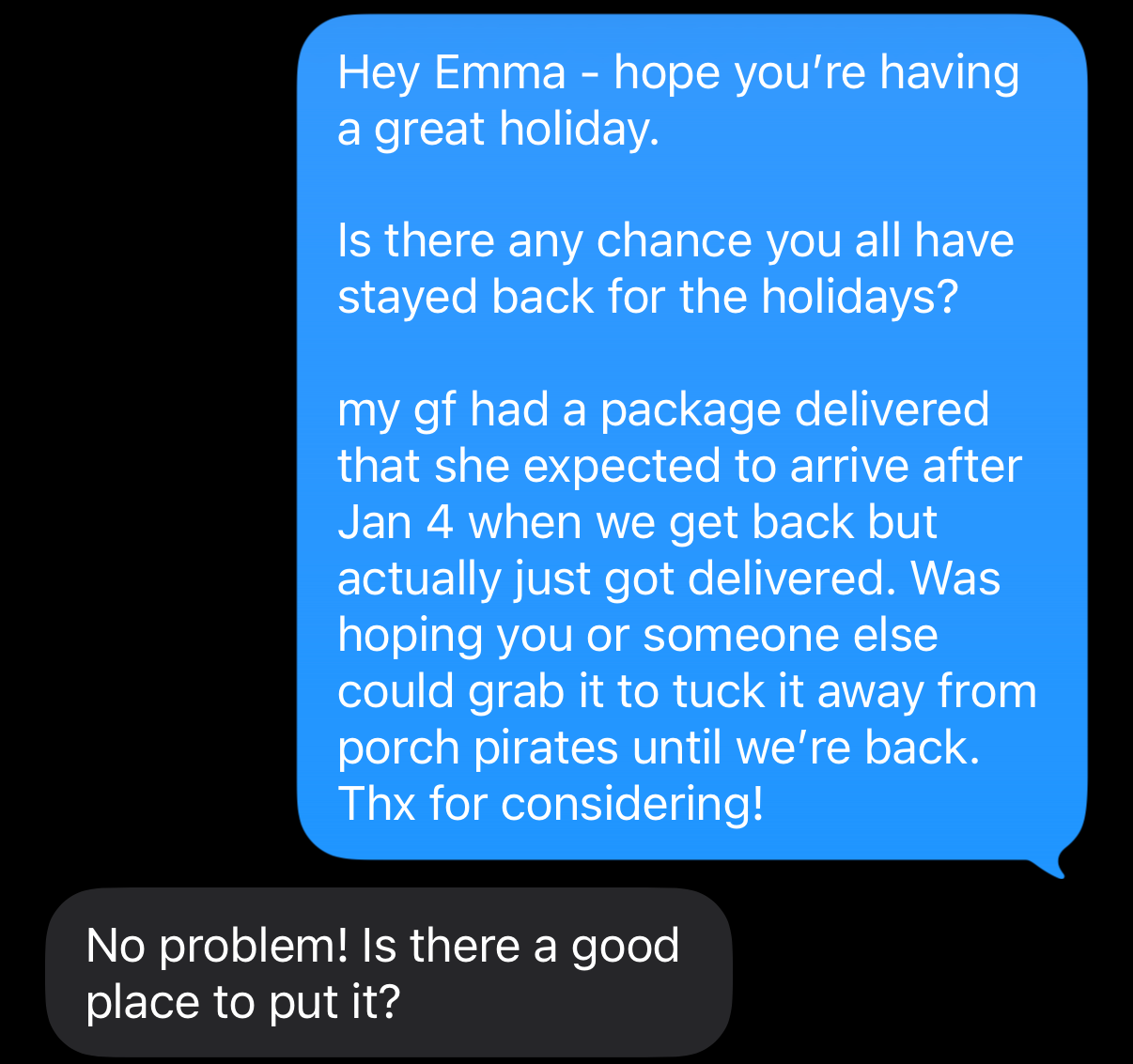
At the time, it felt logistical. In hindsight, it mirrors exactly what founders avoid before fundraising.
You don’t magically find extra hours to raise capital. You create them by redistributing responsibility and setting expectations early.
That means telling your co-founder you’ll need them to own more of the day-to-day for a stretch. Letting your team know response times will change. Telling your partner or family that nights may be longer and availability lower.
As you get ready to fundraise, ask yourself what your version of dog sitting and mail collection is. What small but necessary responsibilities need coverage so your attention can narrow without anxiety.
The clarity that comes from over-communicating upfront is what allows you to disappear into the work without guilt.
The Satisfaction of Finishing Something Hard
By the end of the trip, what stayed with me wasn’t the scenery or the novelty of the van. It was the feeling at the end of each day.
Not exhaustion from context switching. A quieter satisfaction. I had done exactly what I set out to do.
It reminded me of a dinner I had recently with my friend Eytan (a serial entrepreneur and investor). Out of everything we could go deep around, we ended up geeking out about fasting (aka 72+ hours with no food…just water).
What stood out wasn’t the health benefits or optimization talk. It was how similar our reaction was to finishing one because even though there are proven health benefits, it’s the kind of thing most people avoid because they’re inconvenient and uncomfortable.
So much of the enjoyment was getting to the end and knowing you did something hard that most people talk themselves out of.
I see this pattern consistently in great founders. They don’t just chase outcomes. They take pride in finishing difficult things. In seeing something through. In simplifying their lives enough to focus, and then doing the uncomfortable work until it’s done.
Fundraising, done well, is one of those things.
As you prepare, don’t just ask whether you can raise capital. Ask whether you’re willing to structure your life to finish the process cleanly. To simplify. To commit. To tolerate discomfort long enough to reach the other side.
You don’t need to live in a van to raise capital.
But you may need to live like you are for a while.
Fewer choices. Less friction. More commitment to the hard thing in front of you.
Getting to the end of that road is worth it.

Be chased,
Jason
P.S. honestly, literally living in a van might be helpful to raise capital haha
P.P.S. if you don’t do it to raise capital, definitely consider van life for a nice holiday. HIGHLY recommended especially in California. What a beautiful state.

.png)
.jpg)